

Frieze Abu Dhabi 2026: Why the Gulf Art Market Is Entering a New Global Era
Art fairs are unusual places.
Part exhibition.
Part marketplace.
Part cultural gathering.
Part networking event.
A museum asks people to look.
An art fair also asks whether someone wants to buy.
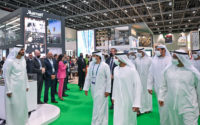
From 20 to 22 November 2026, that combination takes a significant new turn when the first edition of Frieze Abu Dhabi opens at Manarat Al Saadiyat.
The fair succeeds Abu Dhabi Art, which concluded after its 17th edition in 2025.
That transition matters.
Frieze is one of the most internationally recognised names in contemporary art fairs, with a global network connected to major art centres.
Its arrival in Abu Dhabi signals something larger than a rebranding exercise.
The Gulf art market is becoming more deeply connected to the international art economy.
Abu Dhabi Art Built the Foundation
Frieze Abu Dhabi does not begin from nothing.
Abu Dhabi Art spent years building relationships with galleries, artists, collectors and cultural institutions.
It helped establish Manarat Al Saadiyat as an important regional meeting point.
It supported public programmes.
Artist commissions.
Emerging artists.
Gallery participation.
The transition to Frieze therefore represents evolution rather than replacement.
A local platform developed enough international significance to become part of a larger global art-fair network.
That is an important milestone.
Art Fairs Are Commercial Infrastructure
Art is often discussed entirely through culture.
The market matters too.
Artists need income.
Galleries need buyers.
Collectors need access.
Museums need relationships with artists and dealers.
Advisers need information.
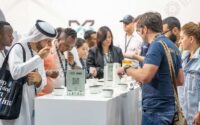
Art fairs bring all of these groups into one concentrated environment.
A gallery that might spend months arranging individual meetings can encounter dozens of serious collectors in several days.
That efficiency explains why physical art fairs remain influential despite the growth of online viewing rooms.
The Gulf Collector Base Is Growing
The Gulf has developed an increasingly sophisticated community of collectors.
Some focus on regional artists.
Others collect internationally.
Family collections are growing.
Corporate collections exist.
Museums are purchasing.
Younger buyers are entering the market.
This creates demand for better access to galleries and artists.
A mature art market needs more than wealth.
It needs knowledge.
Collectors need to understand artists, periods, provenance, pricing and historical context.
Art fairs help create that education informally.
Buying Art Is Different From Buying Luxury Goods
A luxury watch has a recognisable brand.
A car has measurable specifications.
Art works differently.
Two paintings of similar size can have completely different values.
Why?
Artist reputation.
Career history.
Exhibition record.
Rarity.
Gallery representation.
Museum collections.
Critical reception.
Provenance.
Condition.
The market depends heavily on cultural context.
This makes buying art both more subjective and more intellectually demanding.
Frieze Brings International Visibility
Global art markets are partly built through reputation.
Collectors pay attention to where galleries exhibit.
Artists gain credibility through institutional exposure.
International media follow major fairs.
Frieze’s name therefore brings immediate visibility.
For Abu Dhabi, that can attract galleries and collectors who may not previously have placed the Gulf high on their annual art calendar.
The effect can extend beyond the fair itself.
People arrive for Frieze.
They visit museums.
Meet local artists.
Explore galleries.
Discover the wider cultural scene.
Saadiyat Is Becoming an Extraordinary Cultural Cluster
Location is central to the story.
Manarat Al Saadiyat sits inside a district now associated with some of Abu Dhabi’s largest cultural investments.
Louvre Abu Dhabi.
Zayed National Museum.
Guggenheim Abu Dhabi.
Other cultural institutions.
This concentration changes the role of the fair.
Frieze is not operating in isolation.
It becomes part of an entire cultural district.
An international collector can attend the fair and experience several major institutions within the same wider destination.
That creates cultural density.
Art Fairs Help Museums Too
Museums do not simply receive finished art history.
They participate in creating it.
Curators visit fairs.
Meet galleries.
Discover artists.
Follow emerging practices.
Build relationships.
Potential acquisitions may begin through these encounters.
A strong fair therefore contributes indirectly to institutional collections.
This creates a feedback loop.
Better museums attract better galleries.
Better galleries attract collectors.
Collectors support artists.
Artists create stronger cultural ecosystems.
Regional Artists Gain Access to International Networks
For artists based in the Gulf, the arrival of a major global fair creates opportunity.
International curators may see their work.
Collectors may discover them.
Galleries may begin relationships.
Press coverage expands.
But access is not automatic.
Artists still need strong work.
Professional presentation.
Representation.
Long-term practice.
A global platform amplifies what exists.
It does not replace artistic development.
The Market for Middle Eastern Art Has Changed
Regional art was once too often treated internationally as a specialist niche.
That is gradually changing.
Collectors increasingly understand that the Middle East contains many artistic histories.
Modernism.
Conceptual practice.
Photography.
Installation.
Calligraphy.
Digital art.
Political art.
Abstraction.
Contemporary experimentation.
There is no single Middle Eastern aesthetic.
International fairs can help weaken simplistic expectations by presenting more diverse work.
Young Gulf Artists Do Not Need to Perform Stereotypes
Regional artists sometimes face pressure to make work that looks visibly “Middle Eastern” to international audiences.
This can create predictable imagery.
Arabic text.
Desert symbols.
Political references.
Heritage motifs.
Those can be meaningful when chosen intentionally.
They should not become requirements.
An artist from Abu Dhabi can work with minimal abstraction, video, AI, sculpture or conceptual practice without constantly proving geographic identity.
Cultural confidence includes freedom from stereotype.
Digital Art Has Changed What Can Be Sold
Contemporary art increasingly includes technology.
Video.
Generative systems.
Interactive installations.
Digital environments.
AI-assisted work.
Collectors therefore need to think beyond traditional objects.
What exactly is being acquired?
A file?
A certificate?
An edition?
Software?
Installation instructions?
Hardware?
How will the work be preserved when technology changes?
These questions create entirely new forms of art-market infrastructure.
AI Will Be One of the Big Art Debates
Generative AI has already changed creative production.
Artists can create visual concepts rapidly.
Models can produce images, animation and video.
The debate is intense.
Authorship.
Copyright.
Training data.
Originality.
Labour.
Creative identity.
Some artists embrace AI.
Others reject it.
Most art history was shaped by arguments around new technology.
Photography once faced similar resistance.
Digital art did too.
Frieze Abu Dhabi arrives during another major transition.
The Physical Artwork May Become More Valuable in a Digital World
There is an interesting counter-effect.
As digital images become infinitely reproducible, physical objects can gain psychological value.
A painting exists in one place.
A sculpture has material presence.
Texture cannot be understood completely through a phone.
Scale changes when viewed in person.
This may help explain why art fairs continue attracting buyers despite perfect online images becoming easier to create.
Physical presence still matters.
Provenance Is Critical
High-value art markets depend heavily on trust.
Who owned the work?
Where was it exhibited?
Is it authentic?
Has it been restored?
Is the documentation complete?
Provenance affects both cultural significance and financial value.
The growth of Gulf collecting therefore requires strong professional services around authentication, conservation and documentation.
An art market is not simply artists and buyers.
It needs infrastructure.
Art Storage Is a Business Too
Serious collections need professional care.
Temperature.
Humidity.
Security.
Insurance.
Transport.
Packing.
Customs.
Conservation.
Freeports and specialist logistics companies have become important parts of the global art economy.
As collecting grows in the Gulf, these less visible industries can grow alongside it.
The painting may receive attention.
The infrastructure protecting it often determines whether it survives.
Art Can Function as an Asset
Some collectors view art partly as an investment.
Prices can increase.
Rare works can appreciate significantly.
But art is difficult to treat like conventional financial assets.
Markets can be illiquid.
Valuation is subjective.
Transaction costs are high.
Fashion changes.
Authenticity problems can destroy value.
An artwork should not automatically be treated as a predictable investment.
The strongest collectors often combine financial awareness with genuine interest in the work itself.
The Best Collections Have a Point of View
Buying expensive objects does not automatically create a meaningful collection.
Strong collections usually contain logic.
A period.
A region.
A theme.
A medium.
An intellectual question.
The collector develops knowledge over time.
Individual works begin speaking to one another.
This transforms acquisition from consumption into curation.
Art fairs can help collectors refine that point of view through exposure to a wide range of work.
Public Programmes Matter
Frieze’s significance should not be measured only through sales.
Talks.
Tours.
Educational programmes.
Artist conversations.
Commissions.
These elements allow people without purchasing power to participate.
This is important.
A cultural event becomes more valuable to a city when it serves residents as well as collectors.
Art should not become something visible only behind VIP doors.
Manarat Al Saadiyat Has the Right History
Manarat Al Saadiyat has played a long-standing role in Abu Dhabi’s cultural ecosystem.
Hosting the first Frieze Abu Dhabi there preserves continuity.
Visitors familiar with Abu Dhabi Art already know the location.
New international audiences encounter a venue connected directly with Saadiyat’s expanding museum district.
The building therefore acts as a bridge between the old fair and the new one.
Art Tourism Is Becoming Important to Abu Dhabi
International cultural travellers often plan trips around fairs.
Frieze London.
Art Basel.
Venice Biennale.
Major museum openings.
Design weeks.
Adding Frieze Abu Dhabi strengthens the capital’s position within that global calendar.
Visitors can combine the fair with museums, beaches, heritage and dining.
Those planning a wider itinerary can use Abu Dhabi City Guide to explore more of the capital during their stay.
The Timing Creates a Powerful Cultural Moment
November is becoming increasingly busy in Abu Dhabi.
Business exhibitions.
Sport.
Music.
Cultural programming.
Frieze enters this wider seasonal ecosystem when international tourism is strong and outdoor conditions are comfortable.
This creates more opportunities for visitors to extend their trip.
An art buyer may also attend another event.
A business traveller may discover the fair unexpectedly.
Cities benefit when calendars overlap strategically.
The Gulf Is Becoming More Than a Buyer
For years, international luxury and cultural businesses often looked at the Gulf primarily as a source of wealthy customers.
That perspective is becoming outdated.
The region is building institutions.
Museums.
Fairs.
Artist programmes.
Education.
Research.
Creative businesses.
The goal is not simply to consume global culture.
It is to participate in producing and shaping it.
Frieze Abu Dhabi is one more sign of that transition.
The First Edition Will Be Judged Over Time
The inaugural fair will undoubtedly attract attention.
The bigger question is what follows.
Do major galleries return?
Do regional artists gain international opportunities?
Do new collectors emerge?
Do museums build relationships?
Does the fair develop its own identity rather than simply replicating other Frieze editions?
Successful cultural institutions require repetition.
One edition creates excitement.
A decade creates history.
Frieze Abu Dhabi Marks a New Chapter
The transformation from Abu Dhabi Art to Frieze Abu Dhabi is significant because it combines continuity with global expansion.
The regional foundation already exists.
International recognition is being added.
That can create new possibilities for artists, galleries, collectors and institutions across the Gulf.
From 20 to 22 November, Manarat Al Saadiyat will be filled with artworks competing for attention.
Some will sell.
Some will provoke debate.
Some may later enter major collections.
Others may introduce audiences to artists they have never encountered before.
But the most important story may be the fair itself.
Abu Dhabi is no longer simply building museums to participate in global culture.
It is increasingly becoming one of the places where the international art market meets.