

The Hotel Show 2027 Brings the Future of Hospitality Operations and Technology to Dubai
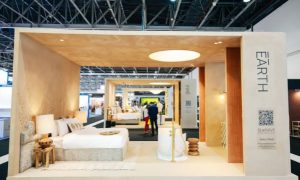
Hotel owners, operators, developers, procurement teams and global hospitality suppliers will gather at Dubai World Trade Centre from 1 to 3 June 2027 when The Hotel Show returns for another major edition.
The three-day exhibition has supported the Middle East and North Africa hospitality sector for more than 26 years and has evolved alongside one of the fastest-growing hotel markets in the world.
Its 2027 edition focuses on the products and systems required to develop, operate and upgrade modern hospitality businesses.
Hospitality technology.
Wellness and recreation.
Textiles.
Sleep products.
Operating supplies and equipment.
HORECA solutions.
All of these categories come together within the same event.
The Hotel Show also runs alongside INDEX and WORKSPACE, creating a combined destination for hospitality, interior design and workplace products.
For developers building new properties and operators refurbishing existing hotels, the co-location allows several stages of a project to be explored during one visit.
Hospitality Is Entering a New Growth Cycle
The Gulf hospitality sector continues expanding.
New hotels are being developed.
Luxury resorts are opening.
Branded residences are growing.
Tourism strategies across the UAE and Saudi Arabia are driving investment.
Existing hotels also need regular refurbishment to remain competitive.
Guests compare properties globally.
A room that felt modern ten years ago may now appear outdated.
Hotels therefore operate within a continuous cycle of development, renovation and technological improvement.
The Hotel Show provides a marketplace for the companies supplying that cycle.
Hospitality Technology Has Become a Core Category
Technology was the most in-demand product sector at The Hotel Show in 2025, with the organiser reporting that 60% of attendees were sourcing within the category.
That interest is unlikely to disappear.
Modern hotels depend heavily on digital systems.
Property-management platforms handle reservations and operations.
Revenue-management software adjusts pricing.
Customer-relationship systems manage guest information.
Mobile applications support communication.
Digital locks control room access.
Smart-room technology manages lighting and temperature.
Restaurant systems process orders and payments.
For properties operating in Dubai and the wider MENA market, selecting the right technology can directly influence both operating efficiency and guest experience.
AI Is Entering Hotel Operations
Artificial intelligence is expanding across hospitality.
Revenue systems can analyse demand.
Hotels can forecast occupancy.
Chatbots answer routine guest questions.
Marketing platforms personalise offers.
Operational systems can identify patterns in complaints.
AI may help hotels predict maintenance requirements.
The technology also has limits.
Hospitality is fundamentally a human service business.
A guest with a complex problem may want to speak with an employee rather than a bot.
The strongest applications are likely to be those that reduce repetitive work while giving staff more time for genuine service.
The Guest Journey Is Becoming More Digital
A hotel stay now begins long before arrival.
Guests search online.
They compare reviews.
They make digital reservations.
Confirmation emails follow.
Mobile check-in may be offered.
Digital keys can remove the need to visit reception.
Guests communicate through messaging platforms.
After departure, hotels request reviews.
Every stage generates data.
Hotels need systems capable of connecting these interactions.
A fragmented technology stack can create problems where different departments have incomplete information.
Integration therefore becomes just as important as individual features.
Cybersecurity Has Become a Hospitality Issue
Hotels hold valuable personal information.
Names.
Contact details.
Passport information.
Payment records.
Travel plans.
Loyalty information.
They also operate numerous connected systems.
This makes hospitality attractive to cybercriminals.
Ransomware can interrupt hotel operations.
Payment systems can be targeted.
Guest data can be stolen.
Smart-room technology adds further connected devices.
Hospitality cybersecurity therefore increasingly requires attention from senior management rather than only IT departments.
The Hotel Show’s technology programme includes cybersecurity among its industry themes for exactly this reason.
Robotics and Automation Are Becoming Visible
Robots are beginning to appear in selected hospitality operations.
Some hotels use delivery robots to carry items to rooms.
Automated cleaning equipment can support housekeeping.
Restaurant technology increasingly automates repetitive preparation tasks.
Warehouses use automation.
The economics vary significantly depending on the property.
A robot may attract attention without producing meaningful operational value.
Hotels need to evaluate whether technology genuinely reduces costs or improves service.
Innovation for its own sake is rarely enough.
Housekeeping Remains Essential
The Hotel Show’s Housekeeper’s Challenge highlights one of hospitality’s most important but sometimes overlooked professions.
A hotel room must be cleaned accurately and efficiently.
Standards need consistency.
Employees often prepare large numbers of rooms under time pressure.
Housekeeping also influences guest perception dramatically.
A beautiful lobby cannot compensate for a poorly cleaned room.
Technology can assist with scheduling and equipment, but skilled staff remain fundamental.
Sleep Is the Product Hotels Actually Sell
Hotels market views, restaurants, pools and entertainment.
At the most fundamental level, guests are purchasing somewhere to sleep.
That makes mattresses, pillows, duvets and linen central to the hospitality product.
The Hotel Show includes a dedicated Sleep category covering commercial bedding and related products.
Hotels need to balance comfort, durability and maintenance.
A luxury mattress that performs beautifully for one year but deteriorates rapidly may be a poor commercial choice.
Procurement teams need products designed for repeated professional use.
Textiles Influence Both Comfort and Design
Hospitality properties consume large quantities of textiles.
Bed linen.
Towels.
Bathrobes.
Upholstery.
Curtains.
Soft furnishings.
These products influence design but also need to survive frequent cleaning.
Commercial requirements differ from residential use.
A hotel towel may be washed hundreds of times.
Fire standards may apply to fabrics.
Colour needs to remain stable.
Durability becomes a purchasing priority alongside appearance.
Operating Supplies Cover Thousands of Details
The OS&E sector covers the enormous number of smaller items required to operate a hotel.
Room amenities.
Mini bars.
Tableware.
Cookware.
Uniforms.
Cleaning products.
Safes.
Baby equipment.
Service accessories.
Each product may seem minor individually.
Across hundreds of rooms and multiple outlets, the total procurement requirement becomes substantial.
Hotel openings therefore involve enormous purchasing programmes extending far beyond beds and furniture.
HORECA Connects Hotels With Foodservice
Hotels are also major food-and-beverage operators.
Many properties contain several restaurants.
Breakfast operations serve hundreds of guests.
Banqueting facilities host weddings and conferences.
Room service operates throughout the day.
Bars and cafés have their own equipment requirements.
HORECA suppliers therefore represent an important part of The Hotel Show.
Commercial kitchens need reliability, efficiency and strong after-sales support.
Wellness Is Becoming a Hospitality Strategy
Wellness is no longer limited to a small hotel spa.
Guests increasingly seek properties offering fitness, recovery, healthy dining and wellbeing experiences.
The Hotel Show says the MENA wellness market is projected to reach $12.5 billion by 2030.
Hotels are responding with better gyms, specialised treatments, wellness programmes and more sophisticated spa concepts.
Some resorts now build their entire identity around health and wellbeing.
This creates opportunities for suppliers of fitness equipment, pools, spa technology and wellness products.
Pools and Outdoor Hospitality Matter in Resort Markets
The Gulf’s resort sector makes outdoor hospitality particularly important.
Swimming pools.
Pool furniture.
Shade systems.
Outdoor kitchens.
Landscaping.
Sports and recreational equipment.
These areas form part of the overall guest experience.
Properties competing in luxury markets need outdoor spaces that feel as carefully designed as interiors.
Sustainability Is Becoming an Operating Requirement
Hotels consume significant energy and water.
Air-conditioning runs continuously.
Laundry operations are intensive.
Guest rooms consume electricity.
Pools require treatment.
Restaurants generate food waste.
Improving sustainability can therefore create direct financial savings.
Energy-management systems reduce waste.
Low-flow fixtures reduce water consumption.
Efficient laundry equipment can lower resource use.
Food-waste systems improve purchasing decisions.
Sustainability works best when environmental and financial incentives align.
Guest Expectations Keep Rising
Consumers compare experiences constantly.
Online reviews create transparency.
A guest can identify service problems before booking.
Photographs reveal outdated rooms.
Slow Wi-Fi can immediately produce negative feedback.
This puts pressure on hotel operators to keep upgrading.
The benchmark is no longer only the hotel next door.
A traveller may compare a property with hotels experienced in completely different countries.
Branded Residences Blur Hospitality and Real Estate
One of the region’s major trends is the growth of branded residences.
These projects combine residential ownership with brands associated with hotels, luxury goods or lifestyle companies.
Owners may gain access to hotel-style services and amenities.
Developers can differentiate projects.
Brands extend beyond traditional hotels.
The trend creates new demand for hospitality expertise within residential development.
Procurement Happens Years Before Opening
A new hotel can take years to develop.
Interior products and operating equipment need to be specified long before the first guest arrives.
This makes exhibitions important early in the project lifecycle.
Developers and procurement teams can identify suppliers before final purchasing stages.
They can compare costs.
Understand lead times.
Evaluate samples.
Establish relationships.
Late procurement mistakes can delay openings.
The Show Connects Suppliers With Real Projects
For exhibitors, access to developers and procurement leaders is one of the event’s strongest commercial advantages.
A supplier does not simply need visitors.
It needs visitors who are actually purchasing.
Hotel owners.
Operators.
Designers.
Procurement firms.
Restaurant groups.
Wellness operators.
These are the customers The Hotel Show is built around.
Hospitality Talks Brings Industry Leaders Together
Hospitality Talks provides the event’s strategic conference programme.
Industry leaders discuss operations, leadership, investment and future trends.
This educational element is useful because the hotel sector is changing beyond products.
Guest behaviour changes.
Distribution costs change.
Technology changes.
Labour availability changes.
Hotel owners need to understand where the industry itself is moving.
The Chef’s Table Adds a Live F&B Element
Food remains one of hospitality’s most visible experiences.
The Chef’s Table showcases culinary techniques and competition within the event.
For visitors, it provides a live demonstration environment.
For chefs, it highlights the human skill behind the kitchen equipment shown elsewhere across the exhibition.
Hospitality technology can support a restaurant.
It cannot create creativity by itself.
Three Shows Create One Sourcing Destination
The Hotel Show takes place alongside INDEX and WORKSPACE.
This co-location is particularly useful for developers.
A hotel project requires operational products.
It also needs interior design.
Offices and staff areas need workplace solutions.
Combining the shows allows buyers to work across several procurement categories without travelling between separate exhibitions.
Three Days Behind the Guest Experience
Most hotel guests never see the systems supporting their stay.
They do not see procurement contracts.
Property-management software.
Laundry equipment.
Revenue systems.
Security platforms.
Commercial mattresses specifications.
Back-of-house supplies.
They simply experience whether the hotel works.
That is what makes hospitality operations interesting.
Hundreds of invisible systems need to perform correctly for a stay to feel effortless.
From 1 to 3 June 2027, The Hotel Show will bring many of those systems into view at Dubai World Trade Centre.
The industry may ultimately sell experiences.
Behind every great experience is an enormous operational machine.
The Hotel Show is where much of that machine gets sourced.