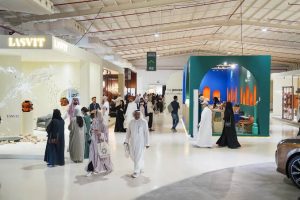


Downtown Design 2026 Brings 330+ Global Brands and Designers to Dubai Design District
Architects, interior designers, developers, collectors, homeowners and international design brands will gather at Dubai Design District from 4 to 8 November 2026 when Downtown Design returns as the headline commercial fair of Dubai Design Week.
The event describes itself as the Middle East’s leading fair for contemporary and high-quality design.
Its 2025 edition attracted more than 25,000 visitors and featured over 330 brands and designers from more than 35 countries, demonstrating how strongly the Gulf’s interior-design market has developed.
The 2026 edition will once again combine internationally established manufacturers with independent designers, regional studios, limited-edition pieces, installations, pop-up concepts, networking opportunities, masterclasses and live discussions at The Forum.
For the region’s design industry, Downtown Design serves a different purpose from a broad cultural festival.
It is where creativity meets procurement.
Architects search for products.
Interior designers identify new manufacturers.
Developers source materials.
Hospitality groups discover furniture.
Brands meet potential distributors.
Collectors commission limited pieces.
For professionals working in Dubai and across the wider Middle East, the five-day fair provides direct access to products and creative talent that may eventually appear inside hotels, homes, restaurants, offices and major developments across the region.
The Gulf Has Become an Important Design Market
The regional interiors industry has transformed significantly.
New hotels require furniture and lighting.
Luxury residences need bespoke interiors.
Restaurants compete through atmosphere as well as food.
Corporate offices invest more heavily in employee experience.
Branded residences create additional demand for premium design.
Developers increasingly understand that interior quality can influence property value.
This gives designers more influence earlier in the development process.
It also attracts international manufacturers looking for opportunities in the Gulf.
Downtown Design acts as a bridge between those global brands and regional decision-makers.
330+ Brands and Designers Create an International Marketplace
The previous edition featured more than 330 brands and designers.
That variety matters because professional design sourcing rarely involves purchasing everything from one manufacturer.
A hotel might need Italian furniture.
Regional stone.
Specialist lighting.
Custom rugs.
Bathroom systems.
Kitchen equipment.
Decorative objects.
Acoustic materials.
Art.
Design teams coordinate these elements into one environment.
A multidisciplinary fair allows professionals to compare products directly and understand how different pieces might work together.
Furniture Is More Than a Visual Choice
Furniture needs to look good.
It also needs to function.
A chair used in a hotel lobby may be occupied hundreds of times each week.
Restaurant furniture needs durability.
Office chairs require ergonomics.
Residential pieces can prioritise comfort differently.
Materials need appropriate maintenance.
Commercial clients therefore examine construction, finishes, warranties and lead times alongside appearance.
A beautiful piece that cannot survive real use is not good commercial design.
Lighting Can Completely Change an Interior
Lighting remains one of the most powerful design tools.
A room can feel warm or clinical depending on colour temperature.
Accent lighting directs attention.
Decorative fixtures can become sculptural objects.
Indirect lighting creates atmosphere.
Smart systems allow scenes to change throughout the day.
Hospitality projects use lighting strategically because emotional experience matters.
Restaurants often look completely different at lunchtime and dinner because lighting transforms the environment.
Downtown Design brings decorative and architectural lighting suppliers into direct contact with specifiers.
Kitchens Have Become Social Spaces
Residential kitchen design has changed dramatically.
Many kitchens now open directly into living spaces.
This means appliances, cabinetry and surfaces are constantly visible.
Function and aesthetics need to work together.
Storage systems are becoming more sophisticated.
Integrated appliances create cleaner visual lines.
Smart technology adds connectivity.
Premium materials transform kitchens into architectural features.
For luxury developers, kitchen specification can become a major selling point.
Bathrooms Are Becoming More Luxurious
Bathrooms are also changing.
High-end residential and hospitality projects increasingly treat them as wellness environments.
Large showers.
Freestanding bathtubs.
Premium fixtures.
Natural stone.
Intelligent toilets.
Integrated lighting.
Spa-inspired layouts.
These spaces need to combine water resistance and maintenance requirements with luxury aesthetics.
A material that looks beautiful but performs poorly around moisture may cause expensive problems later.
Professional product selection therefore matters.
Materials Tell a Story
Designers increasingly think about where materials come from.
Stone has geological history.
Timber carries natural variation.
Metal develops different finishes.
Glass manipulates light.
Textiles add softness.
Recycled materials create entirely different narratives.
A carefully designed interior combines these surfaces in ways that influence how people experience space.
Material libraries and physical fairs remain valuable because digital images cannot fully communicate texture, weight or finish.
Designers need to touch products.
Sustainability Is Affecting Specification
Clients increasingly ask environmental questions.
Is the wood certified?
How much recycled material is used?
Where was the product manufactured?
Can parts be replaced?
Is the material recyclable?
How long will the product last?
Durability is an important part of sustainability.
A chair that lasts 20 years may have a lower overall impact than one replaced every three years.
Designers therefore need to look beyond superficial environmental claims.
Circular Design Is Becoming More Relevant
Circular design considers what happens to products after their first use.
Can furniture be repaired?
Can components be replaced?
Can the product be disassembled?
Can materials be recycled separately?
Traditional product design often ignored these questions.
The circular model treats end-of-life as part of the original brief.
This may eventually change how furniture and interior products are constructed.
Manufacturers that design around repairability could gain an advantage as sustainability requirements become more demanding.
Luxury Is Being Redefined
Luxury was once strongly associated with expensive materials and visible status.
Modern luxury can mean something different.
Craftsmanship.
Personalisation.
Rarity.
Exceptional comfort.
Responsible sourcing.
A strong story.
Some buyers prefer understated design rather than obvious extravagance.
This gives independent designers opportunities to compete with major luxury brands.
A carefully produced limited-edition object may feel more exclusive than a globally recognised product.
Bespoke Design Is Particularly Important in the Gulf
Hospitality and high-end residential projects often require customised products.
Furniture dimensions change.
Materials need adaptation.
Colours follow project palettes.
Designers may commission completely unique pieces.
Manufacturers capable of customisation therefore have an advantage.
However, bespoke production requires good communication.
Prototypes may be necessary.
Lead times need realistic planning.
Quality needs to remain consistent when multiple pieces are produced.
Downtown Design allows designers to establish these relationships directly.
Regional Designers Are Gaining More Visibility
One of the fair’s most important roles is giving Middle Eastern designers access to professional audiences.
The region has traditionally imported large amounts of design.
That is changing.
Local designers increasingly create furniture, lighting and objects drawing on regional materials, craft traditions and contemporary lifestyles.
The goal is not to imitate international trends.
Strong regional design can develop its own language.
The UAE Designer Exhibition, supported by Dubai Culture, provides emerging designers with exposure to industry decision-makers and potential commercial opportunities.
Craftsmanship Remains Valuable
Automation makes mass production efficient.
Craft gives products individuality.
Woodworking.
Metal forming.
Weaving.
Stone carving.
Glasswork.
Ceramics.
These skills remain important within premium design.
Contemporary designers increasingly collaborate with craftspeople rather than seeing traditional methods as outdated.
Digital design can even enhance craft.
Computer modelling can create precise forms that artisans finish manually.
The Memphis Movement Returns in Full Colour
The 2026 programme includes a showcase dedicated to Memphis, the influential design movement that challenged conventional ideas of good taste through bold colours, unusual geometry and playful forms.
Memphis remains visually distinctive decades after its emergence.
Its influence demonstrates how design movements can change the vocabulary of entire industries.
What once appears radical can eventually become part of mainstream visual culture.
Revisiting historical movements also helps younger designers understand that contemporary trends rarely appear without precedent.
Italian Design Retains Strong Influence
Italy remains one of the world’s most influential design markets.
Furniture, lighting, kitchens and decorative products from Italian manufacturers continue to play major roles in luxury projects.
The success comes from a combination of industrial manufacturing, craftsmanship and established design culture.
But the global marketplace is broadening.
Regional and Asian brands increasingly compete at high levels.
Downtown Design gives buyers the opportunity to compare these different design traditions within one environment.
AI Is Accelerating Concept Development
Interior designers increasingly use generative AI during early creative stages.
A room concept can be visualised rapidly.
Different styles can be explored.
Clients can respond before detailed modelling begins.
This may speed communication.
However, AI images frequently contain unrealistic architecture, impossible details or products that do not exist.
Professional designers therefore need to translate visual inspiration into technically feasible spaces.
The gap between concept image and completed project remains significant.
Product Specification Cannot Be Automated Completely
An AI-generated image might show a beautiful chair.
A real designer needs to know who manufactures it.
How much it costs.
Whether it meets fire regulations.
How long delivery takes.
Whether spare parts exist.
Which finishes are available.
Whether 300 identical units can be produced.
This practical layer explains why physical fairs remain valuable even as digital design tools become more sophisticated.
Real projects require real products.
Hospitality Is One of the Region’s Biggest Design Clients
Hotels constantly need new interiors.
New properties open.
Older properties renovate.
Restaurants are redesigned.
Guest rooms need refurbishment.
Public spaces require updates.
Hospitality furniture also receives intensive use.
Products need to combine distinctive design with commercial durability.
The Gulf’s expanding tourism industry therefore creates substantial demand for interior manufacturers.
Restaurants Compete Through Interior Experience
Food is only one part of modern restaurant positioning.
Lighting.
Music.
Furniture.
Tableware.
Materials.
Open kitchens.
Art.
All influence the experience.
Social media has increased this pressure.
Restaurants are photographed constantly.
An interior can become part of the marketing strategy.
Designers therefore need to create spaces that work physically while also establishing a strong visual identity.
Retail Design Must Encourage Exploration
Physical stores increasingly compete with e-commerce.
They need to offer experiences digital shopping cannot reproduce.
Product interaction.
Atmosphere.
Service.
Events.
Architecture.
Luxury brands invest heavily in retail interiors because the store represents the brand physically.
Displays, lighting and circulation all influence how customers engage.
The future of physical retail may depend less on storing products and more on creating memorable environments.
Homeowners Have Become More Design-Aware
Social media and online platforms expose consumers to far more design than previous generations.
Homeowners arrive with references.
They understand different styles.
They compare global products.
They may follow individual designers.
This raises expectations for interior professionals.
Clients are more informed but can also become overwhelmed by endless inspiration.
Professional designers add value by turning disconnected ideas into coherent environments.
The Forum Adds Education to the Fair
Downtown Design’s Forum hosts talks and masterclasses alongside the exhibition.
Industry discussions give visitors insight into more than products.
Design leadership.
Business.
Architecture.
Creative processes.
Materials.
Culture.
Emerging technology.
These conversations matter because professional design evolves through both commercial practice and intellectual exchange.
A fair becomes more useful when visitors understand not only what products exist but why design priorities are changing.
Design Networks Can Lead to Future Projects
Architecture and interior design are relationship-driven industries.
A designer may discover a manufacturer years before using its products on a project.
An introduction can lead to regional distribution.
A developer may meet a studio that later wins a major commission.
These relationships often develop gradually.
Trade fairs accelerate the first step by placing relevant people in the same room.
Five Days Where Ideas Become Specifications
From 4 to 8 November 2026, Downtown Design will turn Dubai Design District into one of the region’s most concentrated marketplaces for interiors and contemporary design.
Global manufacturers will launch collections.
Independent designers will present new work.
Architects will search for materials.
Interior designers will identify products.
Collectors will discover limited pieces.
Homeowners will explore possibilities.
Some objects will be admired and forgotten.
Others may end up inside hotels, restaurants, offices and homes across the Gulf.
That is what makes Downtown Design commercially important.
It is not simply a place to look at beautiful things.
It is where beautiful things begin entering real projects.