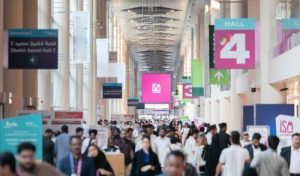


ISM Middle East 2026 Brings 700+ Global Sweets and Snacks Exhibitors to Dubai
The international confectionery and snack industry will gather at Dubai World Trade Centre from 3 to 5 November 2026 when ISM Middle East returns with more than 700 exhibitors from over 60 countries.
The trade-only exhibition connects global food producers with supermarkets, distributors, wholesalers, importers, travel-retail operators and foodservice buyers across the Middle East, Africa and Asia.
Its product categories cover confectionery, chocolate, snacks, traditional sweets, biscuits and cakes, ice cream and desserts.
The scale is considerable.
The 2025 platform recorded 25,033 industry professionals from 140 countries and more than 60,000 products sourced through the event.
For 2026, organisers are positioning the show around changing consumer behaviour, healthier snacking, premium products, sugar reformulation, international sourcing and supply-chain resilience.
For food businesses operating in Dubai and across the region, the three-day event provides a direct look at many of the products likely to compete for shelf space in 2027.
Snacking Has Become an Eating Occasion of Its Own
Snacks were once treated as something consumed between regular meals.
That distinction is becoming less clear.
Busy consumers may replace breakfast with a protein bar.
A small snack can become lunch during a busy workday.
Single-serve products fit commuting.
Convenience stores provide immediate food options.
Delivery apps make impulse consumption easier.
Manufacturers increasingly design products around this changing behaviour.
This helps explain why the snack sector continues expanding beyond traditional chips and confectionery.
Health and Indulgence Now Exist Together
Consumers frequently want contradictory things.
Something healthy.
But enjoyable.
Low sugar.
But sweet.
High protein.
But convenient.
Premium.
But affordable.
Food companies need to balance these demands.
A chocolate product can emphasise quality ingredients.
A snack may add protein.
Candy can use reduced sugar.
Biscuits can include functional ingredients.
The most successful innovation often gives consumers permission to indulge rather than asking them to choose completely between pleasure and health.
Protein Has Entered Almost Every Category
Protein used to be associated mainly with sports nutrition.
It has moved into mainstream food.
Protein bars.
Cookies.
Breakfast products.
Chocolate.
Snacks.
Drinks.
Consumers associate protein with satiety, fitness and healthier lifestyles.
Manufacturers have responded aggressively.
But adding protein changes texture and taste.
A product still needs to be enjoyable.
Consumers may try something once because of its nutrition claims.
Repeat purchase depends on whether it tastes good.
GLP-1 Medicines May Change Portion Sizes
One of the most interesting trends highlighted by ISM Middle East involves consumers using GLP-1 weight-management medicines.
These drugs can reduce appetite.
That could influence how people purchase food.
Smaller portions may become more attractive.
High-protein products could gain demand.
Consumers may prioritise nutrient density.
Traditional large snack packs may become less relevant for some customers.
Food manufacturers are watching carefully because widespread changes in appetite can influence product design and pack size.
Sugar Reduction Is Becoming a Commercial Requirement
Governments increasingly use taxes and regulation to reduce sugar consumption.
Consumers also pay more attention to labels.
Manufacturers therefore reformulate products.
Lower-sugar chocolate.
Reduced-sugar confectionery.
Sugar-free gummies.
Alternative sweeteners.
Reformulation is technically difficult.
Sugar affects more than sweetness.
It influences texture.
Shelf life.
Colour.
Structure.
Removing it can change the entire product.
Food science therefore becomes essential.
Chocolate Remains a Powerful Category
Chocolate continues to combine everyday consumption with premium gifting.
Mass-market bars compete on value.
Premium chocolatiers emphasise origin and craftsmanship.
Single-origin chocolate creates stories around cocoa production.
Bean-to-bar brands focus on manufacturing processes.
Plant-based products attract dairy-free consumers.
Filled chocolate creates endless innovation possibilities.
The Gulf also has a strong gifting culture, giving premium chocolate additional commercial importance.
Dubai Chocolate Changed the Global Conversation
The viral success of pistachio-and-knafeh-style Dubai chocolate demonstrated how quickly a regional product idea can become an international phenomenon.
Social media helped transform a local confectionery concept into a global trend.
Manufacturers across numerous markets produced their own interpretations.
This illustrates how food trends now travel.
A product no longer needs years of traditional advertising to become internationally recognised.
One viral video can influence supermarket shelves thousands of kilometres away.
Traditional Sweets Are Being Reinvented
ISM Middle East dedicates an entire category to traditional sweets.
Baklava.
Halva.
Turkish delight.
Mithai.
Nougat.
Regional confectionery.
These products carry cultural familiarity.
Manufacturers increasingly modernise them through new packaging, flavours and formats.
A traditional product can be positioned as premium gifting.
Smaller portions can attract younger consumers.
Contemporary design can help heritage products compete internationally.
Modernisation works best when it preserves what made the product distinctive originally.
Ramadan Creates an Important Seasonal Market
Seasonality is particularly important across MENA.
Ramadan and Eid create major confectionery and gifting demand.
Retailers plan months in advance.
Manufacturers need enough production capacity.
Packaging may be developed specifically for the season.
Dates, chocolate, traditional sweets and gift boxes perform strongly.
ISM’s Festive Collection reflects this commercial importance by helping buyers identify products for peak cultural and seasonal periods.
Impulse Buying Remains Crucial
Confectionery is strongly influenced by impulse.
A chocolate bar near a checkout.
A small snack at a petrol station.
An airport purchase.
A product added to an online delivery basket.
Placement matters enormously.
Packaging needs immediate impact.
Price points need to feel easy.
Single-serve sizes reduce commitment.
Retailers therefore think carefully about where confectionery appears, not just what they stock.
Travel Retail Is a Major Channel
Airports are important markets for sweets and snacks.
Travellers buy gifts.
Chocolate boxes are easy to carry.
International brands gain exposure to global consumers.
Premium packaging works particularly well.
Travel retail also allows brands to create exclusive sizes or products.
For manufacturers attending ISM Middle East, airport retailers and duty-free operators can become highly valuable buyers.
Convenience Stores Need Fast-Moving Products
Convenience retail operates differently from supermarkets.
Space is limited.
Products need strong turnover.
Pack sizes often target immediate consumption.
Drinks and snacks dominate many purchases.
Retailers need to know which products justify scarce shelf space.
Data therefore matters.
A visually attractive product is not enough.
It needs to sell repeatedly.
Better-for-You Snacks Continue Growing
Baked rather than fried products.
Nuts.
Seeds.
Protein snacks.
Ancient grains.
Reduced-salt options.
Gluten-free products.
Consumers increasingly search for alternatives to conventional snacks.
However, “healthy” remains a complicated term.
A product can carry one positive nutritional claim while still containing other ingredients consumers may want to limit.
Transparency becomes increasingly important.
Functional Ingredients Create New Possibilities
Food is increasingly marketed around benefits beyond basic nutrition.
Added vitamins.
Probiotics.
Fibre.
Protein.
Botanical ingredients.
Caffeine.
Electrolytes.
These functional products blur the boundaries between food, wellness and supplements.
Manufacturers need evidence for claims.
Consumers also need clear communication.
Adding a fashionable ingredient does not automatically make a product beneficial.
Clean Labels Influence Purchasing
Many consumers prefer short ingredient lists containing familiar names.
This has encouraged “clean-label” product development.
Manufacturers may remove artificial colours.
Simplify formulations.
Use natural flavourings.
Reduce preservatives.
But every ingredient serves a purpose.
Removing preservatives can shorten shelf life.
Natural colours may behave differently.
Food science needs to balance consumer expectations with product safety and stability.
Vegan Confectionery Is Expanding
Plant-based diets have encouraged manufacturers to develop alternatives to ingredients such as milk and gelatin.
Vegan gummies use different gelling agents.
Dairy-free chocolate substitutes plant-based ingredients.
The category serves both ethical consumers and people avoiding particular allergens or ingredients.
Taste remains decisive.
Consumers increasingly expect plant-based alternatives to compete directly with conventional products rather than merely being acceptable substitutes.
Free-From Products Need Strong Controls
Gluten-free, nut-free and other allergen-sensitive categories can serve customers with genuine medical needs.
That creates responsibility.
Cross-contamination can be dangerous.
Labelling must be accurate.
Factories require appropriate controls.
A vague marketing statement is not enough when consumer safety is involved.
Professional buyers need documentation supporting supplier claims.
Ice Cream Is Becoming a Year-Round Category
Ice cream was traditionally associated strongly with summer.
Modern retail has made frozen desserts a year-round business in many markets.
Premium gelato.
Mochi.
Low-sugar products.
Plant-based alternatives.
Single-serve formats.
Family packs.
The Gulf climate provides additional demand.
Cold-chain reliability is essential because frozen products require continuous temperature control.
Packaging Needs to Protect and Sell
Snack packaging has two jobs.
Protect the food.
Attract the shopper.
Barrier materials can prevent moisture or oxygen from damaging products.
Seals preserve freshness.
At the same time, packaging communicates flavour, nutrition and brand identity.
Sustainability creates another challenge.
Flexible snack packaging can be difficult to recycle because it often uses multiple layers.
Manufacturers are working on structures that preserve food while improving environmental performance.
Shelf Life Is a Strategic Issue
Products distributed across multiple countries need sufficient shelf life to survive manufacturing, transportation, warehousing and retail.
Shorter shelf life increases waste risk.
Long shelf life improves logistics but may require different ingredients or packaging.
International manufacturers entering the Gulf need to consider climate and shipping time.
Food formulation and logistics strategy are therefore directly connected.
Halal Certification Enables Regional Growth
For many MENA and Muslim-majority markets, halal compliance is essential.
International manufacturers entering these markets need to understand requirements.
Ingredients matter.
Production processes matter.
Certification documentation matters.
ISM Middle East highlights access to halal-ready supplier portfolios because compliance can determine whether a product can enter key markets at all.
Supply Diversification Is Becoming More Important
Recent logistics disruptions have shown the risk of relying heavily on one country or supplier.
Retailers increasingly search for multiple origins.
A distributor may source similar products from Europe, Asia and the region.
This creates alternatives if shipping routes become disrupted.
It also strengthens negotiating power.
ISM Middle East’s more than 60 exhibitor countries give buyers an opportunity to compare suppliers geographically.
Nearshoring Can Reduce Risk
Manufacturers located closer to the target market may offer shorter lead times.
Transportation costs can be lower.
Replenishment becomes faster.
Businesses need less inventory.
This does not mean global sourcing disappears.
The emerging strategy is often balance.
Use international suppliers where they offer strong advantages.
Build regional alternatives for resilience.
AI Is Entering Food Product Development
Artificial intelligence can analyse consumer trends.
Social-media conversations reveal emerging flavours.
Retail data identifies fast-growing categories.
Product developers can compare ingredients and formulations.
Demand forecasting can improve.
However, actual food still needs to be manufactured and tasted.
An algorithm can suggest a flavour combination.
Consumers determine whether it deserves shelf space.
The physical product remains the final test.
Retail Buyers Need to Think Ahead
Products appearing in stores next year are often sourced months in advance.
Buyers attending ISM Middle East in November 2026 are therefore thinking about 2027.
Which flavours are growing?
Will protein remain strong?
How will sugar regulation affect ranges?
Which products will perform during Ramadan?
What can differentiate the snack aisle?
A trade exhibition is partly about predicting future consumer behaviour.
Awards Highlight Emerging Products
The ISM Middle East Awards give innovative brands additional visibility.
Awards can draw buyer attention toward unusual products.
New flavours.
Packaging.
Healthy formulations.
Traditional products reinvented for modern retail.
Recognition does not guarantee commercial success.
It can help a small brand stand out within an exhibition containing hundreds of competitors.
Co-Location Expands the Value Chain
ISM Middle East runs alongside Gulfood Manufacturing, GulfHost and Private Label Middle East.
This creates one of Dubai’s largest professional food-industry gatherings.
A snack producer can explore manufacturing technology.
A retailer can find finished products.
A hotel buyer can source hospitality equipment.
A brand can identify private-label manufacturers.
Different stages of the food economy sit within the same venue.
Three Days That Could Shape the 2027 Snack Aisle
Most consumers will never know where the products on supermarket shelves were first discovered.
A buyer may taste something at a trade show.
A distribution deal follows.
Packaging is adapted.
Regulatory approval is secured.
Months later, the product appears in stores.
ISM Middle East sits near the beginning of that process.
From 3 to 5 November 2026, hundreds of manufacturers will compete for the attention of buyers deciding what consumers across the Middle East, Africa and Asia might eat next.
Chocolate.
Gummies.
Protein snacks.
Baklava.
Biscuits.
Ice cream.
Healthy products.
Premium indulgence.
The categories are different, but every exhibitor faces the same challenge.
Create something people want to buy again after the first bite.